We built AVIEL because APP fraud was winning.
Every chargeback is a post-mortem. We wanted to build the intervention that happens before the money moves.
In 2022, Joe Tallett was running fraud operations at a mid-size London payment processor. A customer called in after transferring £11,000 to a scammer impersonating their bank. The scam had unfolded over three days of phone calls and SMS messages — none of which the PSP's stack had seen. The chargeback arrived. The money didn't come back. That pattern repeated, week after week, with no pre-transfer signal available anywhere in the fraud toolkit. In 2023, he left to build one. AVIEL Intelligence was founded in Shoreditch with a small team of fraud analysts and NLP engineers to solve the problem that transaction monitoring is structurally blind to: the conversation layer.
Former fraud ops, conversational AI researchers, and integration engineers.

Joe Tallett
CEO & Co-FounderRan fraud operations at a London payment processor from 2019 to 2022, where his team processed dozens of APP chargeback cases a month with no pre-transfer intelligence. Left in 2023 to build the interception layer that didn't exist.

Dr. Sarah Nkemelu
Head of AIPhD in conversational AI from UCL, 2021. Before AVIEL, built fraud ML models at a London fintech — primarily supervised classifiers for transaction-level anomaly detection. Joined in 2023 to apply the same research to the problem layer those models miss entirely: live scammer conversations. Leads the honeybot model, fine-tuning, and fingerprint extraction pipeline.
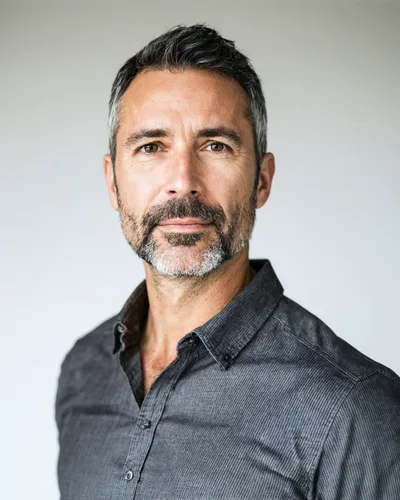
Marcus Weld
Head of IntegrationsSpent five years building API infrastructure at a UK payment processor — specifically the notification bus and webhook delivery system that PSPs rely on for real-time event handling. Designed AVIEL's integration layer to attach at that exact point, which is why onboarding takes three days rather than three months.
One problem. One product.
APP fraud costs UK victims over £460M a year. Under FCA Consumer Duty's mandatory reimbursement rules, PSPs now absorb a material share of that figure — without, in most cases, having any pre-transfer signal that the scam was unfolding.
We build one thing: the honeybot interception layer that operates in the conversation where the scam happens, before the authorisation click. We are not a fraud analytics platform. We do not manage chargebacks. We do not replace transaction monitoring or case management systems. We add the single layer those tools structurally cannot have.
lost to APP fraud across UK payment networks. Every one of those losses arrived as a post-transfer chargeback. AVIEL fires before the transfer confirms.
How we work
Evidence, not flags
A fraud ops alert that says "suspicious" without context creates work, not decisions. Every AVIEL intercept delivers a structured profile: device hash, phone number metadata, conversation graph, scam type classification, and stall duration. Your team reviews evidence, not guesses.
Invisible to scammers, transparent to your team
The honeybot presents as a standard verification hold — the kind of friction a scammer expects and will work around. That engagement is what generates the behavioral fingerprint. We log everything; we announce nothing.
No rerouting, no liability creep
AVIEL has no path to the transaction layer. It cannot hold funds, redirect payments, or modify payment instructions. The PSP authorises the interception; AVIEL executes it in the communication layer only. Your FCA permissions are not affected. Your PSD2 obligations are not affected. We keep a clean perimeter by design.